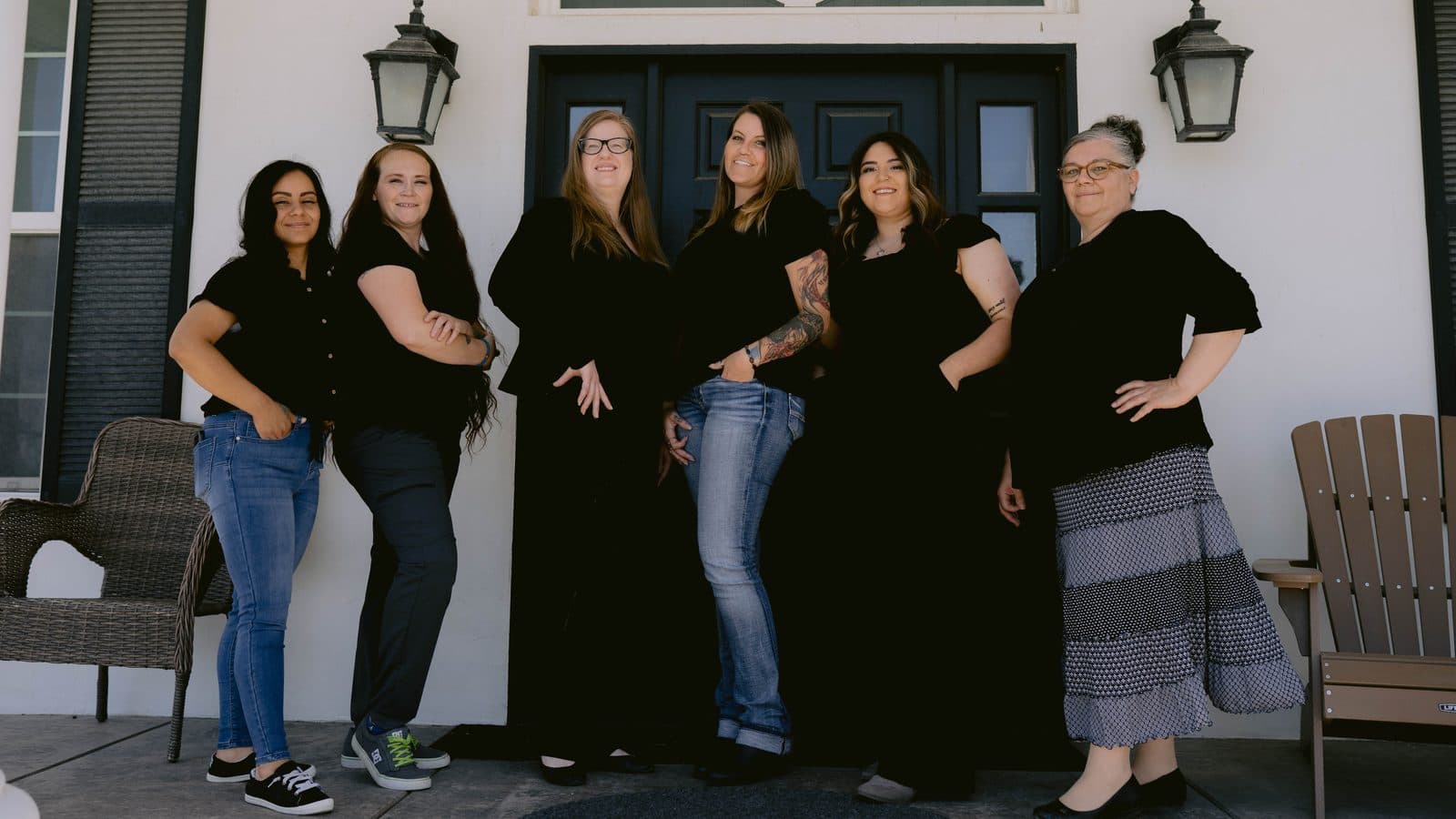
If you are finishing treatment, or you know you cannot keep healing in the place you live now, housing may be the question that worries you most. A women's recovery residence answers it. It is a safe, structured, substance-free home where you live with other women who are also rebuilding their lives after addiction. Walking into any new living situation takes courage, especially when past experiences have taught you to be careful about where you feel safe. Knowing how these homes work, and what your first day will hold, can make the unknown feel less heavy.
What Is a Women's Recovery Residence?
A women's recovery residence is a safe, substance-free home where women in recovery from addiction live together while they rebuild daily life. Residents follow house guidelines, support one another, and stay connected to outpatient treatment, work, or school. It is not a locked facility or a hospital. It is a stable home base for early recovery.
SAMHSA, the federal agency for substance use and mental health services, describes recovery as resting on four dimensions: health, home, purpose, and community. A recovery residence is built to supply two of those, home and community, on day one, so you have the footing to work on the rest.
The women-only setting matters, too. Many women arrive carrying trauma, and healing is easier in a space where you do not have to stay on guard. Living only with other women removes a layer of stress and makes it easier to speak honestly in house meetings and friendships.
How Is a Recovery Residence Different From Residential Treatment?
Residential treatment is a licensed clinical program where you live on site and receive therapy every day. A recovery residence is a supportive home, not a treatment facility. You live there while attending outpatient care, working, or going to school, and the structure comes from house guidelines and peer accountability rather than around the clock clinical staff.
Think of it as a step on a continuum of care. Many women move from detox or residential treatment into an intensive outpatient program, called an IOP, which means several therapy sessions each week while living outside a facility. A recovery residence is where many women live during that outpatient stage. You can see how the levels fit together on our programs page.
The freedom is real, and so is the support. You set your schedule, hold a job, and manage your responsibilities inside a home where everyone works toward the same goal and someone notices how you are doing. We take a closer look at the benefits women gain from a recovery residence, from accountability to lasting friendships, in a separate post.
What Happens on the Day You Arrive?
On arrival day, a staff member or house manager welcomes you, walks you through the home, and reviews the house guidelines with you. You will complete some paperwork, have your belongings checked for substances, meet your roommates, and settle into your room. The first day usually feels far more like moving in than checking in.
Here is how the first day usually unfolds:
- Welcome and tour. The house manager shows you the bedrooms, kitchen, laundry, and common spaces, and explains how the home runs.
- Paperwork. You review and sign the resident agreement, which covers guidelines, fees, and expectations. Ask questions about anything unclear.
- Belongings check. Staff look through your bags for alcohol, drugs, and items that contain alcohol. This happens with every resident, every time. It is not about suspicion. It protects every woman in the home, including you.
- Medication storage. Prescribed medications are logged and stored according to house policy.
- Settling in. You unpack, make your bed, and take a breath. Roommates often stop by to introduce themselves.
- First house meeting or shared meal. Most homes gather in the evening, which gives you a natural, low-pressure way to meet everyone.
If a house full of new faces feels overwhelming, say so. A good house manager will let you ease in at your own pace.
What Are the House Guidelines and Daily Structure Like?
Most women's recovery residences follow a few core expectations: stay substance free, take part in house meetings, keep up with chores, respect curfew, and stay engaged in recovery activities such as outpatient treatment or support groups. The structure is meant to protect the safety of the home, not to control you.
Common guidelines include:
- Substance-free living, supported by regular screening. Testing applies to everyone equally and keeps the home a place where you can finally exhale.
- Curfew, usually earlier for new residents and later as you earn trust and stability.
- House meetings, where residents handle household business and check in with one another.
- Chores, rotated among residents. Cooking, cleaning, and shared responsibility rebuild routines that addiction often eroded.
- Recovery engagement, such as attending an IOP, counseling, or peer support meetings.
- Work, school, or volunteering, encouraged once you are settled, because purpose is part of recovery.
- Spiritual support, for women who want it. Many homes make room for faith and quiet reflection as a source of strength, never a requirement.
Structure sounds rigid on paper. Lived in, predictable days, shared meals, and a quiet house at night are often a woman's first taste of ordinary peace in years.
Can Mothers Stay Connected to Their Children in a Recovery Residence?
Yes. Most recovery residences for women encourage healthy family contact through phone calls, scheduled visits, and family focused programming, although policies vary by home and children usually do not live on site. For many mothers, a recovery residence becomes the stable environment that supports reunification plans and rebuilding trust with their children.
If you are a mom, the fear of being separated from your children may be the heaviest thing you carry into recovery. Caseworkers and courts generally want to see safe housing, stability, and ongoing recovery activity, and a recovery residence documents all three. Ask any home you are considering how it supports visits and reunification requirements.
Family healing runs both directions, and your loved ones may need guidance too. Our family support page explains how we involve families in the recovery process.
How Long Do Women Usually Stay in a Recovery Residence?
There is no fixed timeline. Many women stay in a recovery residence for several months, and some stay longer while they finish school, save money, or work through a reunification plan. Research supports staying engaged with recovery supports long enough, so the better question is what stability you want in place before you leave.
According to NIDA, the National Institute on Drug Abuse, addiction is a chronic condition, and treatment that continues long enough to build lasting change works better than brief episodes of care. Leaving a supportive home the moment you feel better often means leaving before new habits have roots.
Signs you may be ready to move on include steady income, a healthy support network outside the house, a solid relapse prevention plan, and housing that supports your recovery rather than threatening it.
What Should You Bring When You Arrive?
Pack like you are moving into a shared home: comfortable clothes, toiletries, your ID and insurance card, prescribed medications in their original bottles, and a few personal comforts. Leave anything containing alcohol, such as some mouthwashes or perfumes, at home, and call ahead if you are unsure about a specific item.
Helpful things to pack:
- Clothing for daily life, work, and exercise, plus laundry supplies
- Toiletries that are alcohol free
- ID, insurance card, and any court or custody paperwork you are managing
- Prescribed medications in original, labeled containers
- A journal, photos of your kids, a favorite blanket, or a book that steadies you
Things to leave behind:
- Alcohol and drugs in any form, including products that contain alcohol
- Weapons
- Large amounts of cash or valuables
- Anything a former partner or household member could use to locate you, if safety from that person is a concern; staff can help you think this through
How Do You Take the Next Step?
Start with a phone call. Our admissions team can answer your questions, verify your insurance, and help you decide whether a recovery residence or a higher level of care fits where you are right now. You do not have to have everything figured out before you reach out.
Renaissance Refuge operates women's programs across Utah and Idaho, and every home is built around trauma-informed care, which means safety comes first and your past is never treated as a character flaw. You can start the conversation on our admissions page. If you are still gathering information, the SAMHSA National Helpline at 1-800-662-4357 is free, confidential, and available every hour of every day.
You have already done something hard by reading this far. The next step is smaller than it looks.
Frequently Asked Questions
Is a women's recovery residence the same as a halfway house?
Not exactly. Halfway houses are often connected to the criminal justice system and may be time limited by a court. A recovery residence is voluntary, recovery focused, and open to any woman who wants a safe, substance-free home while she rebuilds her life.
Does insurance cover the cost of a recovery residence?
Insurance often covers the clinical treatment you attend while living there, such as an intensive outpatient program, but housing costs are usually paid separately through weekly or monthly fees. Coverage varies by plan, so check our insurance page or call and we will verify your benefits for you.
Can I work or go to school while living in a recovery residence?
Yes, and most homes encourage it once you are settled. Building income, education, and purpose is part of the point. Curfews and house commitments still apply, and staff can help you balance a work schedule with treatment and meetings.
What happens if a resident relapses?
Every home has a safety policy, because one person using in the house puts every resident at risk. A relapse does not mean you are a failure or that recovery is over. Staff will help you find the right next step, which may be returning to a higher level of care before coming back to the residence.
How do I know if I am ready for a recovery residence instead of residential treatment?
If you are in active withdrawal or using daily, you likely need medical detox or residential care first, and a clinical assessment can confirm that safely. A recovery residence fits best when you are stable enough for outpatient care but need a safe, structured place to live.